Interception Over Poland: Why a NATO Fighter Jet Did Not Shoot Down a Russian Missile
A Swedish Gripen pilot had clearance to destroy a Russian Kh-101 missile over Poland but withheld fire after failing to verify the target amid severe weather conditions.
 💡Tech
Photo: TSN
Key points
- A Swedish Gripen pilot chose not to fire at a Kh-101 missile over Poland due to severe weather obscuring identification.
- NATO CAOC granted engagement permission, but safety rules prevented weapons release without visual or sensor confirmation.
- Ukraine shared real-time tracking through the 'Virazh' system as three high-speed targets breached Polish airspace.
During a heavy Russian strike targeting western Ukrainian regions, a Swedish Gripen fighter jet intercepted a Russian Kh-101 cruise missile inside Polish airspace. Despite having authorization to engage and neutralize the threat, the pilot decided against launching weapons due to an inability to conclusively identify the target, according to Lieutenant General Ireneusz Nowak, Operational Commander of the Polish Armed Forces.
Adverse Weather and Identification Constraints
General Nowak explained that severe weather conditions prevented the pilot from confirming the object's identity. Darkness and dense clouds hindered both direct visual sighting and onboard electro-optical tracking sensors.
"Weapons were not used tonight because not all conditions required for deploying the weapons system were met," Nowak clarified.
The mission was directed by NATO's Combined Air Operations Centre (CAOC) in Uedem, Germany. While the tactical commanders granted the aircrew discretion to destroy hostile aerial targets, alliance rules of engagement strictly demand definitive target identification before kinetic action to prevent catastrophic identification errors.
Tracking Networks and Border Alert
The defensive operation relied partly on real-time tracking data supplied by Ukraine through the specialized "Virazh" radar system. Polish monitoring units tracked a total of 11 potential airborne threats, three of which entered sovereign Polish airspace traveling at speeds exceeding 800 km/h. Subsequent assessments confirmed the intrusion of two missiles, including a Kh-101, and one high-speed jet-powered drone.
To secure the sector, Poland scrambled F-16 fighters, Swedish Gripens, a Saab 340 Airborne Early Warning platform, and a Dutch MRTT aerial tanker. Red alerts were triggered in the Subcarpathian and Lublin voivodeships, though no casualties were reported. Polish Prime Minister Donald Tusk described the incident as a deliberate Russian provocation, while NATO Secretary General Mark Rutte condemned it as a dangerous border breach.
Source TSN — tsn.ua/politika/rosiyski-rakety-nad-polshcheiu-pilot-vynyshchuvacha-mav… ↗
Read next
 🎓Education
Subcarpathian Arts Museum Joins International Carpathian Cultural Route
The Subcarpathian Arts Museum in Ivano-Frankivsk has been integrated into the international HICART II project connecting Ukrainian and Romanian heritage sites.
 🚌Transport
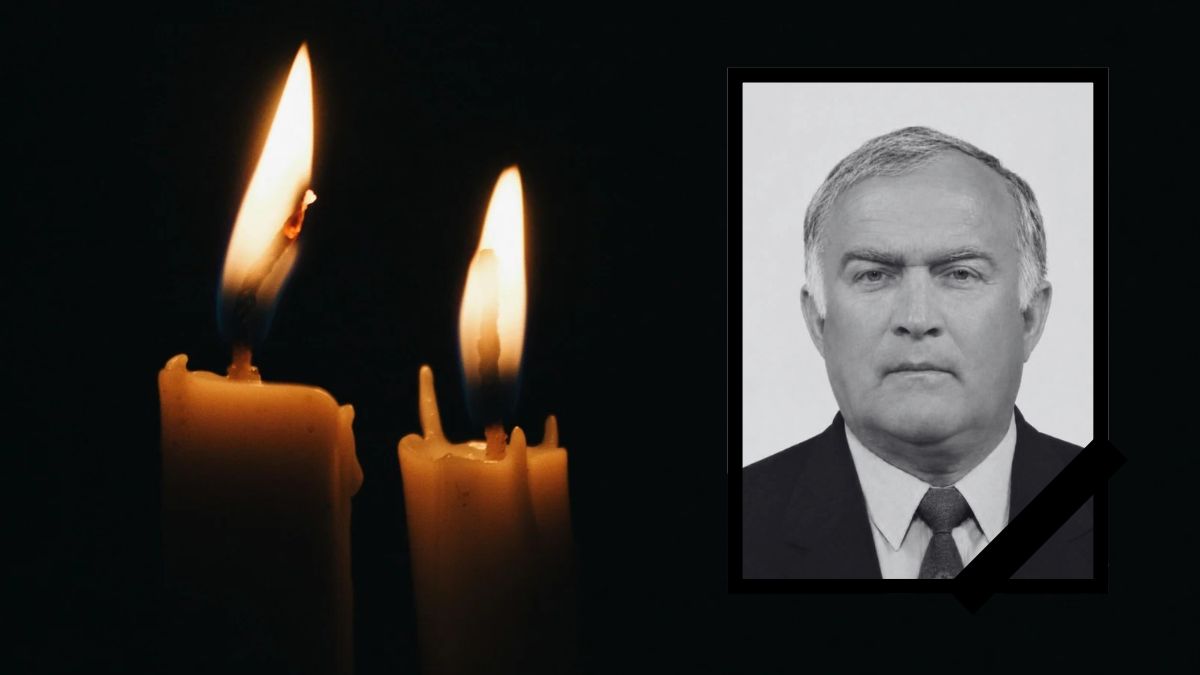
Ivano-Frankivsk bids farewell to former RSA administration head Dmytro Maksymchyn
The Prykarpattia region has paid its final respects to retired judge and the first head of the Territorial Department of the State Judicial Administration.
 🎭Culture & Sport
Singer Miley Cyrus Secretly Marries Max Morando at Frank Sinatra's Former Home
American pop star Miley Cyrus has officially tied the knot with musician Max Morando during an intimate ceremony in California.
 🏛️Politics
Parliamentary Oversight of NABU: Expert Comments on Kryvonos Missing Temporary Inquiry Commission Meeting
NABU Director Semen Kryvonos must address questions from the parliamentary Temporary Inquiry Commission regarding SBU General Serhii Duka's testimony, as anti-corruption …
 🎓Education
Winter Hazard for Animals: Ivano-Frankivsk Drivers Urged to Check Cars Before Driving
As temperatures drop, stray animals seek warmth under parked cars. Police remind drivers of a quick routine that can save lives.
 🩺Health
Dangers of Self-Medication: Ivano-Frankivsk Doctor Explains When Antibiotics Are Actually Needed
Olha Savchuk, director of a local primary care center, warns against the misuse of antibiotics and the rising threat of bacterial resistance.