Kremlin Attempted to Weaken Europe, But Strengthened Its Role in Ukraine Conflict Resolution
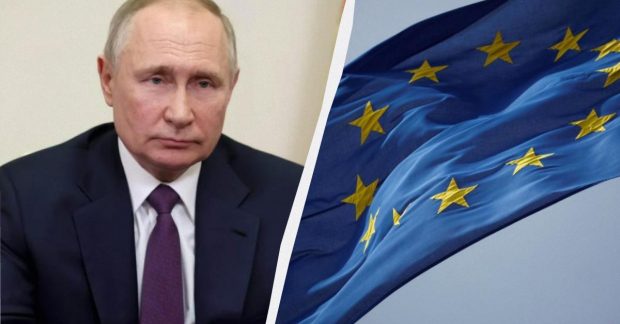
An analysis by TVP World indicates that the Kremlin's strategy, aimed at leveraging US influence to weaken Europe, backfired, making European countries key players in supporting Ukraine and future peace negotiations.
 🏛️Politics
Photo: UNIAN
Key points
- Kremlin aimed to weaken Europe but strengthened its role
- Reduced US aid led to increased European support for Ukraine
- European military aid increased by 67%
- Moscow's demands on Europe indicate dependence on its decisions
- Europe has greater influence on peace settlement
The Kremlin's strategic calculations to diminish Europe's role in resolving the conflict in Ukraine have likely failed, leading to an unforeseen strengthening of European states' influence. Instead of forcing Ukraine into concessions through US pressure, Russia's actions and shifts in Washington's foreign policy have fostered greater autonomy and responsibility for Europe in supporting Kyiv.
Shifting Dynamics of Influence
Moscow's initial plan, as noted by TVP World political editor Stuart Dowell, was to exploit Donald Trump's willingness to negotiate to achieve objectives unattainable through military means. The Kremlin hoped Washington would compel Ukraine to make territorial concessions, ease sanctions against Russia, and agree on a new security system in Europe, sidelining European countries from the process. Indeed, the reduction of American aid to Ukraine and Trump's call for Europe to take care of its own security partially weakened US influence on the continent.
However, this move had unexpected consequences. According to the Kiel Institute for the World Economy in Germany, new US aid commitments to Ukraine in 2025 decreased by 99% compared to the annual average for 2022–2024. Conversely, European military aid increased by 67%. This forced European countries to assume greater responsibility for supporting Ukraine, transforming them into the primary obstacle to achieving Russian goals.
Moscow's Demands and Europe's Empowerment
Currently, Moscow is presenting Europe with a series of demands, which it considers a "constructive contribution" to a peaceful settlement. These include the cessation of arms supplies to Ukraine, financial aid, sanctions, and plans to send troops after a ceasefire. Russia also demands the return of NATO troops to 1997 positions, which would effectively deprive Poland and other Eastern allies of a significant portion of the Alliance's military presence established after the Cold War. These demands, according to Dowell, indicate not only Moscow's intent to dictate terms but also its growing dependence on the decisions of European governments.
While European countries remain dependent on the US for certain types of weaponry and intelligence, Trump cannot unilaterally decide on their behalf regarding the lifting of sanctions, sending troops, or reducing NATO's military presence. The strengthening of Europe's role means that any future peace settlement will require the active participation and consent of European states, which now wield significantly greater influence over the terms of negotiations.
Source UNIAN — unian.ua/world/putin-i-yevropa-chomu-kremlyu-ne-vdalosya-vidsunuti-… ↗
Read next
 👥Society
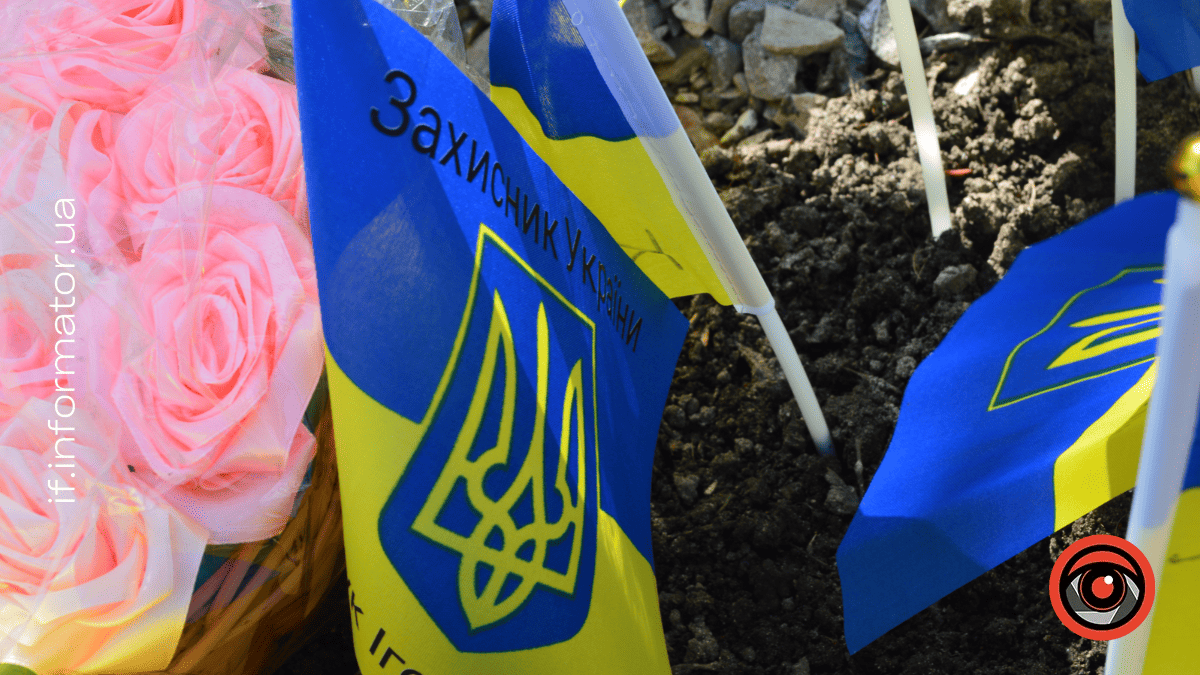
Prykarpattya in mourning: communities bid farewell to four fallen defenders
The Ivano-Frankivsk region has lost four servicemen who gave their lives in the fight against Russian occupiers.
 🛡️Security
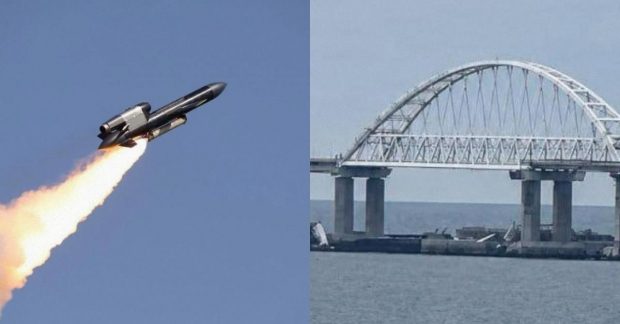
Experts reveal details on the use of secret weapons during the Crimean Bridge attack
A successful operation against the Kerch Bridge was made possible by advanced communication technologies and months of preparation, allowing the mission to proceed withou…
 🚌Transport
Energy Independence in Ivano-Frankivsk: Infrastructure Readiness and Generator Safety Rules
Ivano-Frankivsk city authorities report on backup power for critical infrastructure and remind residents of safety requirements for operating generators.
Rivne's Veres sets a club anti-record in the UPL
The team from Rivne suffered its sixth consecutive defeat in the Ukrainian Premier League after losing to Bukovyna Chernivtsi.
 🛡️Security
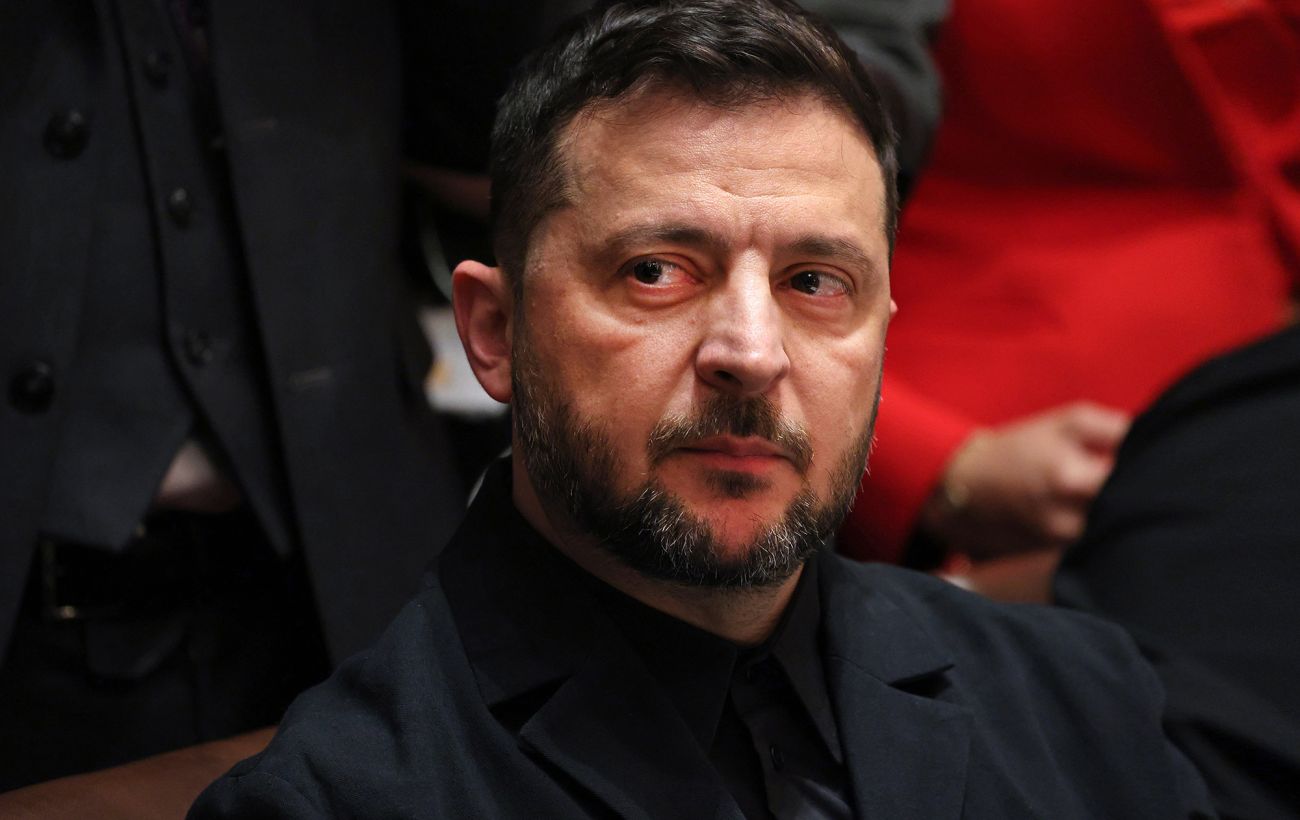
Zelenskyy warns of Russia's preparation for new massive missile attacks
The President of Ukraine reported intelligence data regarding enemy plans to launch further strikes on Ukrainian territory. The head of state emphasized the critical impo…
 🎓Education
Horodenka Lyceum No. 1 to Upgrade Kitchen Facilities for Over 30 Million UAH
The Ivan Danyliuk Lyceum in Horodenka is launching a major canteen reconstruction project funded primarily by the State Fund for Regional Development.