Global security under pressure: analysts warn of deepening cooperation between authoritarian regimes
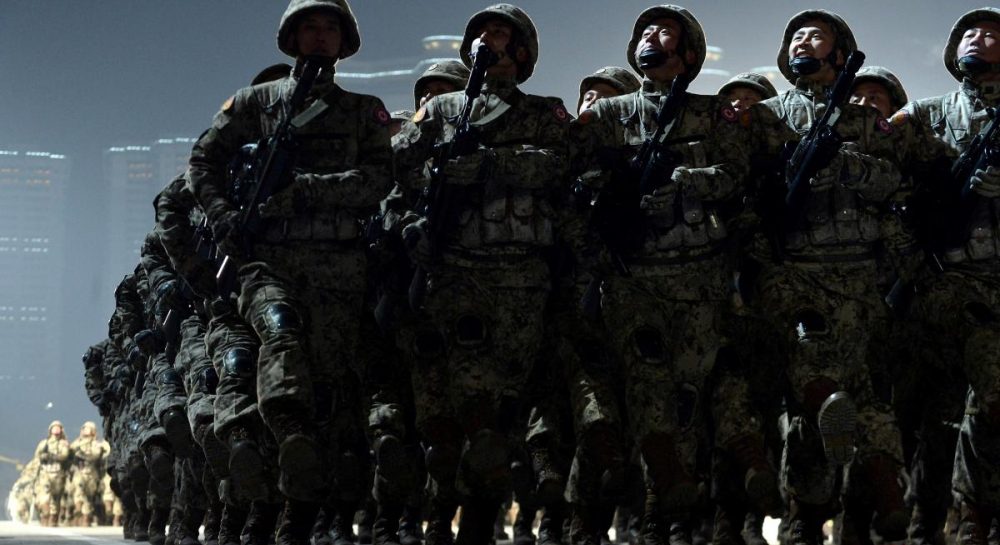
The Economist reports that Russia, China, Iran, and North Korea are forming a real, though informal, alliance that is shifting the global balance of power.
 🏛️Politics
Photo: UNIAN
Key points
- Increased coordination between Russia, China, Iran, and North Korea
- Over 600 security cooperation cases recorded in 2019-2025
- Lack of unified command despite high interaction
- Difficulty for the West in containing the alliance
A new reality in international relations
Authoritarian regimes, including Russia, China, Iran, and North Korea, are demonstrating an increasing level of coordination. According to an analysis by The Economist, this process is no longer just political rhetoric but is evolving into practical cooperation involving the exchange of military technology, intelligence, and combat experience, while simultaneously creating networks to bypass Western sanctions.
Researchers from the US-based FDD center have identified over 600 instances of security-related cooperation between these countries between 2019 and 2025. This interaction has intensified significantly following the start of Russia's full-scale invasion of Ukraine, as joint efforts have increasingly focused on circumventing international restrictions.
Is this a full-fledged military bloc?
Despite the depth of this cooperation, experts note that this alliance differs significantly from NATO. The participants lack a unified command structure or mutual defense commitments. Furthermore, their geopolitical interests sometimes conflict: for instance, China seeks stability in the Middle East, while Russia may benefit from instability to drive up energy prices.
However, even without formal military pacts, mutual support makes these regimes more resilient to external pressure. Western nations are currently facing a challenge where effectively containing each state individually is becoming an increasingly difficult strategy, with no cohesive response currently in place.
Source UNIAN — unian.ua/world/rosiya-knr-iran-ta-pivnichna-koreya-stvorili-neforma… ↗
Read next
 🛡️Security
Russia targets power grids in Odesa and Dnipropetrovsk regions
President Volodymyr Zelensky reported on Russian efforts to disconnect major Ukrainian regions from power sources via targeted strikes on energy facilities.
 🏙️City
Jared Kushner outlines conditions for Trump to support security guarantees for Ukraine
US special representative Jared Kushner stated that Donald Trump would support security guarantees for Ukraine akin to NATO Article 5 under specific conditions.
 🎭Culture & Sport
National Guard soldier joins 'The Voice of Ukraine-14'
Taras Redziy, a National Guard officer, successfully passed the blind auditions on the popular vocal show, choosing Natalia Mohylevska's team.
 👥Society
The Secret to Canned Sardine Nutrition: Why You Shouldn't Discard the Bones
Nutritionists explain that the small bones in canned sardines are a valuable source of calcium that we often lose due to the habit of removing them.
 🏙️City
Crimean Bridge sustains critical damage in special operation
Ukrainian Defense Forces have successfully damaged the Crimean Bridge, significantly disrupting Russian military logistics.
 🛡️Security
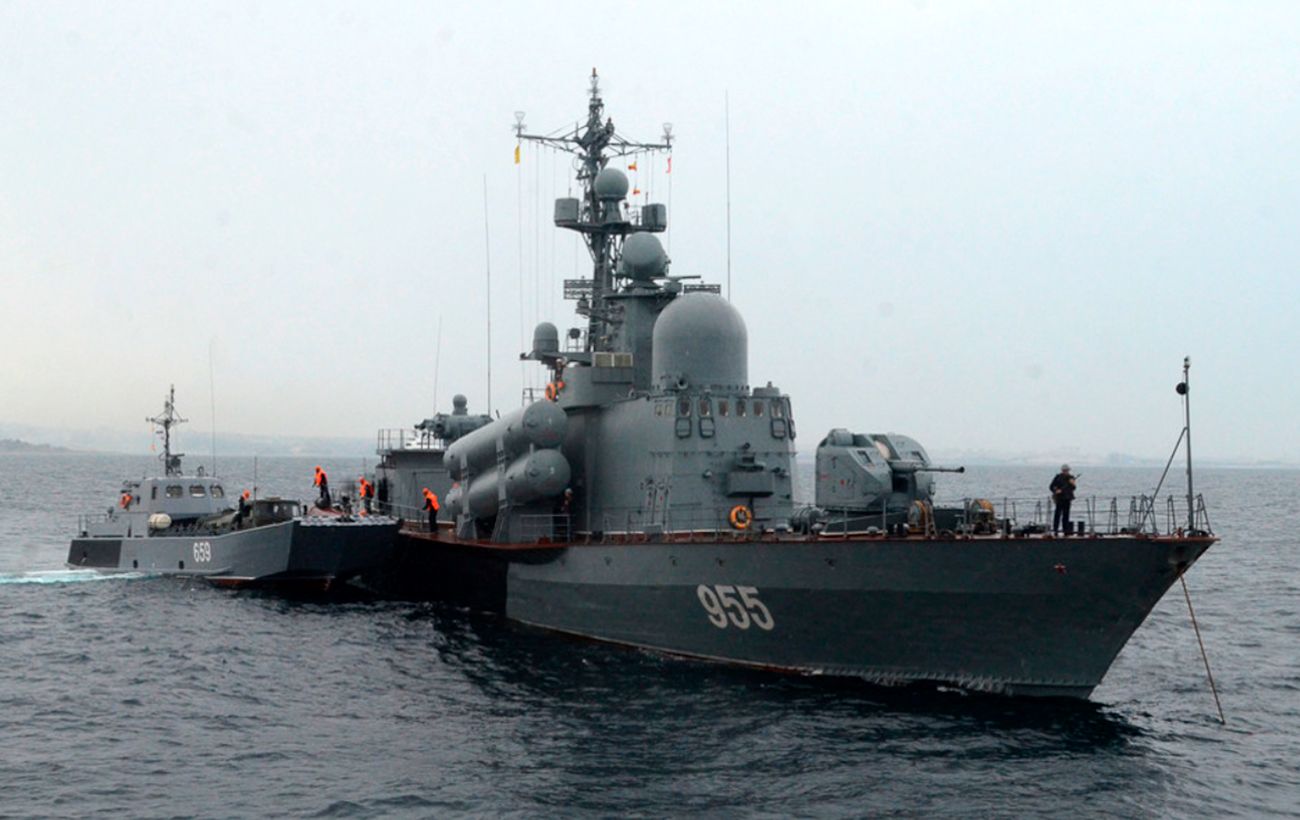
Russian corvette 'Mercury' damaged in drone attack in Libya
A Russian military ship was severely damaged by sea drones in the port of Benghazi. Media reports suggest potential involvement of Ukrainian specialists.