History of the Calendar: Why We Celebrate New Year on January 1st
We explore the origins of the January 1st date and the evolution of New Year celebration traditions across different cultures.
 🎭Culture & Sport
Photo: TSN
Key points
- History of the January 1st date
- The roles of Julius Caesar and Pope Gregory XIII
- Global New Year traditions
From Ancient Rituals to the Modern Calendar
The tradition of celebrating the beginning of the new year on January 1st has deep roots dating back to Ancient Rome. Although ancient peoples once linked this event to natural cycles—such as the spring equinox or river flooding—it was Julius Caesar's reform in 46 BC that established January as the starting point of the year.
The name of the first month comes from the god Janus, who symbolized transitions and new beginnings. He was depicted with two faces, signifying the connection between the past and the future. However, even after the introduction of the Julian calendar, European countries long used various dates to begin the year, often based on religious holidays like Christmas or the Annunciation.
The Gregorian Reform and Global Customs
The unification of the date occurred with the introduction of the Gregorian calendar by Pope Gregory XIII in 1582. This system proved to be the most accurate for measuring the solar year and eventually became the standard for most of the world.
Today, New Year celebrations are accompanied by diverse cultural customs:
- Spain: eating 12 grapes as the clock strikes midnight to bring good luck.
- Japan: ringing temple bells 108 times to cleanse the soul of human passions.
- Italy: eating lentils, which resemble small coins and symbolize financial prosperity.
- Scotland: the 'first-footing' tradition, where the first guest to enter the home determines the luck for the coming year.
Source TSN — tsn.ua/tsikavinki/koly-sviatkuiut-novyy-rik-chomu-data-prypadaye-na-1-s… ↗
Read next
 👥Society
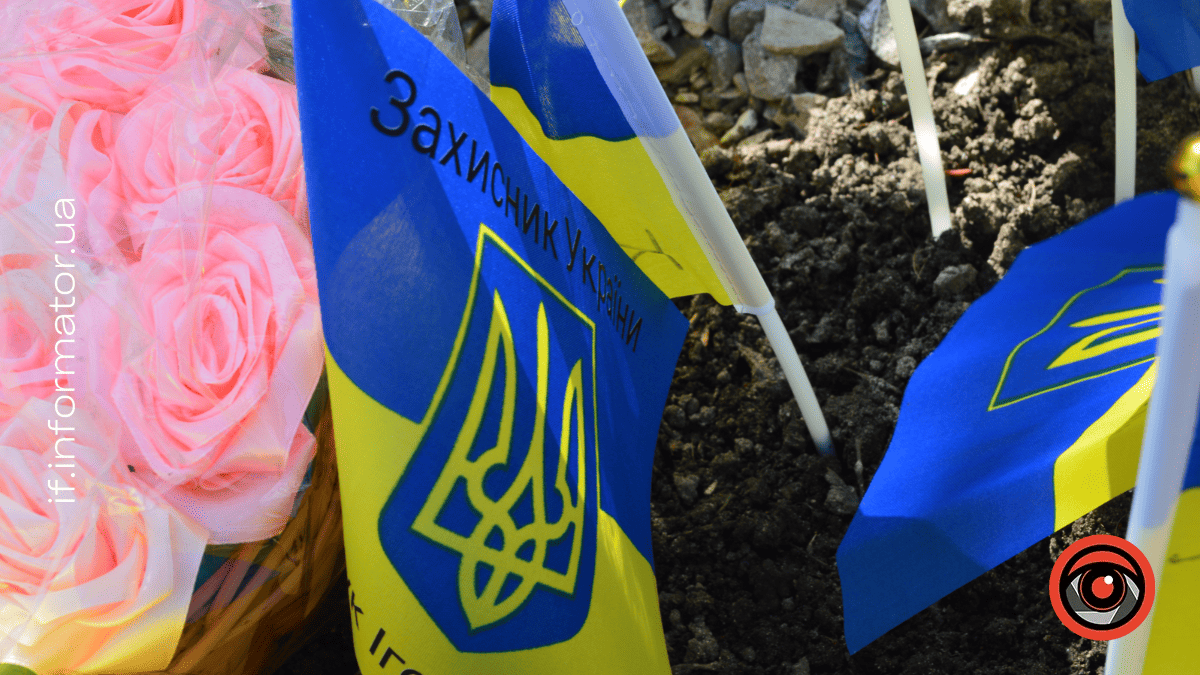
Prykarpattya in mourning: communities bid farewell to four fallen defenders
The Ivano-Frankivsk region has lost four servicemen who gave their lives in the fight against Russian occupiers.
 🛡️Security
Experts reveal details on the use of secret weapons during the Crimean Bridge attack
A successful operation against the Kerch Bridge was made possible by advanced communication technologies and months of preparation, allowing the mission to proceed withou…
 🚌Transport
Energy Independence in Ivano-Frankivsk: Infrastructure Readiness and Generator Safety Rules
Ivano-Frankivsk city authorities report on backup power for critical infrastructure and remind residents of safety requirements for operating generators.
Rivne's Veres sets a club anti-record in the UPL
The team from Rivne suffered its sixth consecutive defeat in the Ukrainian Premier League after losing to Bukovyna Chernivtsi.
 🛡️Security
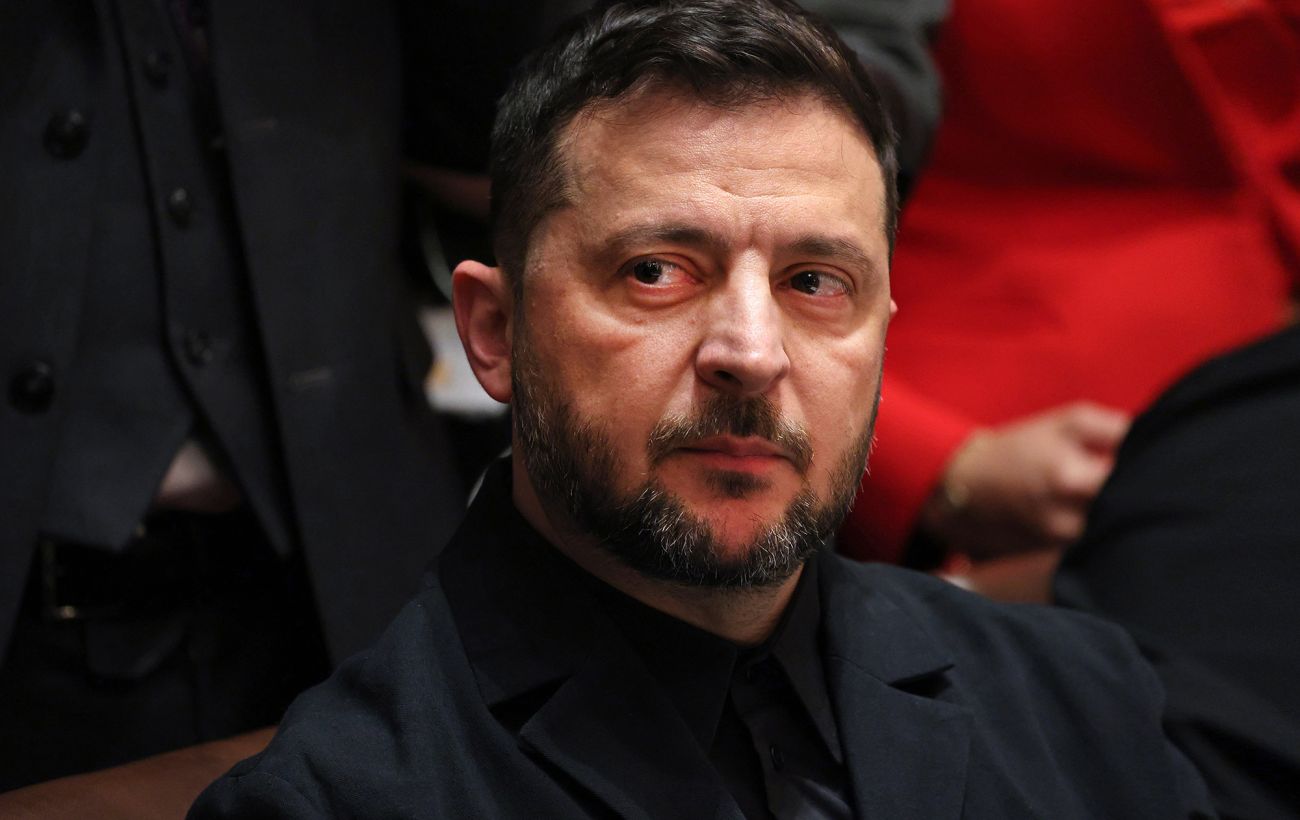
Zelenskyy warns of Russia's preparation for new massive missile attacks
The President of Ukraine reported intelligence data regarding enemy plans to launch further strikes on Ukrainian territory. The head of state emphasized the critical impo…
 🎓Education
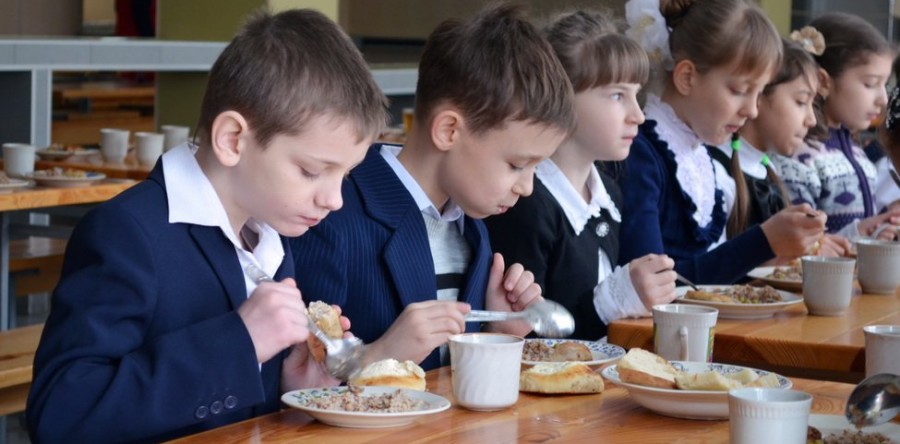
Horodenka Lyceum No. 1 to Upgrade Kitchen Facilities for Over 30 Million UAH
The Ivan Danyliuk Lyceum in Horodenka is launching a major canteen reconstruction project funded primarily by the State Fund for Regional Development.